Key takeaways
- A forwarder arranges movement; a carrier owns the vehicle. The difference decides who is accountable.
- Road freight dominates regional trade in East Africa; air is worth it far less often than it is used.
- Demurrage and detention quietly cost more than most rate differences.
- A quote without a route-specific transit estimate is a number, not a plan.
“Freight forwarder” is one of the least precise words in logistics. It covers everyone from a two-person brokerage with a laptop to a company that owns two hundred trucks. If you are buying freight in Kenya, the distinction matters more than the rate.
What a freight forwarder actually does
A freight forwarder arranges the movement of your cargo on your behalf. In practice that means:
- Choosing the mode — road, sea, air, or a combination — and booking capacity.
- Preparing and filing customs and transport documentation.
- Arranging cargo insurance.
- Coordinating collection, transit and delivery, including port or depot clearance.
- Keeping you informed while all of that happens.
What a forwarder does not necessarily do is own the vehicle. Many do not own any. That is not automatically a problem — a good broker with strong carrier relationships can serve you well — but it does change who is accountable when a truck is late, a load is damaged or a driver goes quiet.
Forwarder, carrier, or both?
Three models exist in this market:
- Pure broker. Arranges everything, owns nothing. Flexible on capacity, thin on control. When something goes wrong, they are relaying messages from a subcontractor.
- Pure carrier. Owns trucks, drives them, does not handle your documentation. Excellent on the road leg, leaves you managing customs yourself.
- Forwarder that owns its fleet. Handles the documentation and drives the truck. Fewer handovers, one accountable party, but capacity is bounded by the fleet.
Jastan Logistics operates the third model, which is a deliberate constraint: we would rather turn down a load than subcontract it to someone whose maintenance schedule we cannot see.
Choosing the mode honestly
Road freight
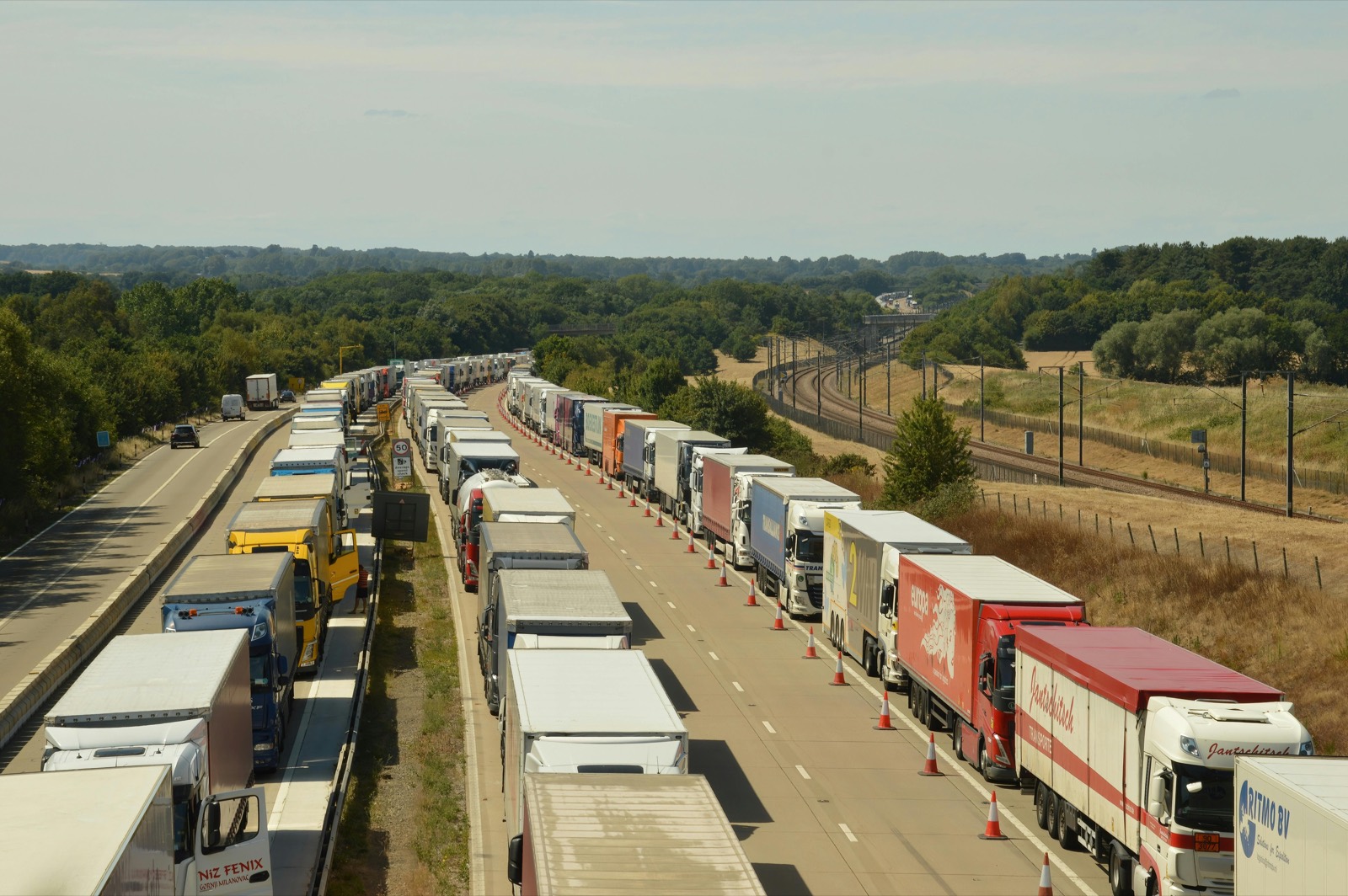
The backbone of regional trade. Everything moving between Kenya, Uganda, Tanzania, Rwanda, Zambia and Botswana goes by road unless there is a specific reason otherwise. Containerised cargo runs on prime movers with 40FT flatbeds; bulk and FMCG on 28-tonne rigids; smaller distribution on 3–14 tonne bodies.
Sea freight
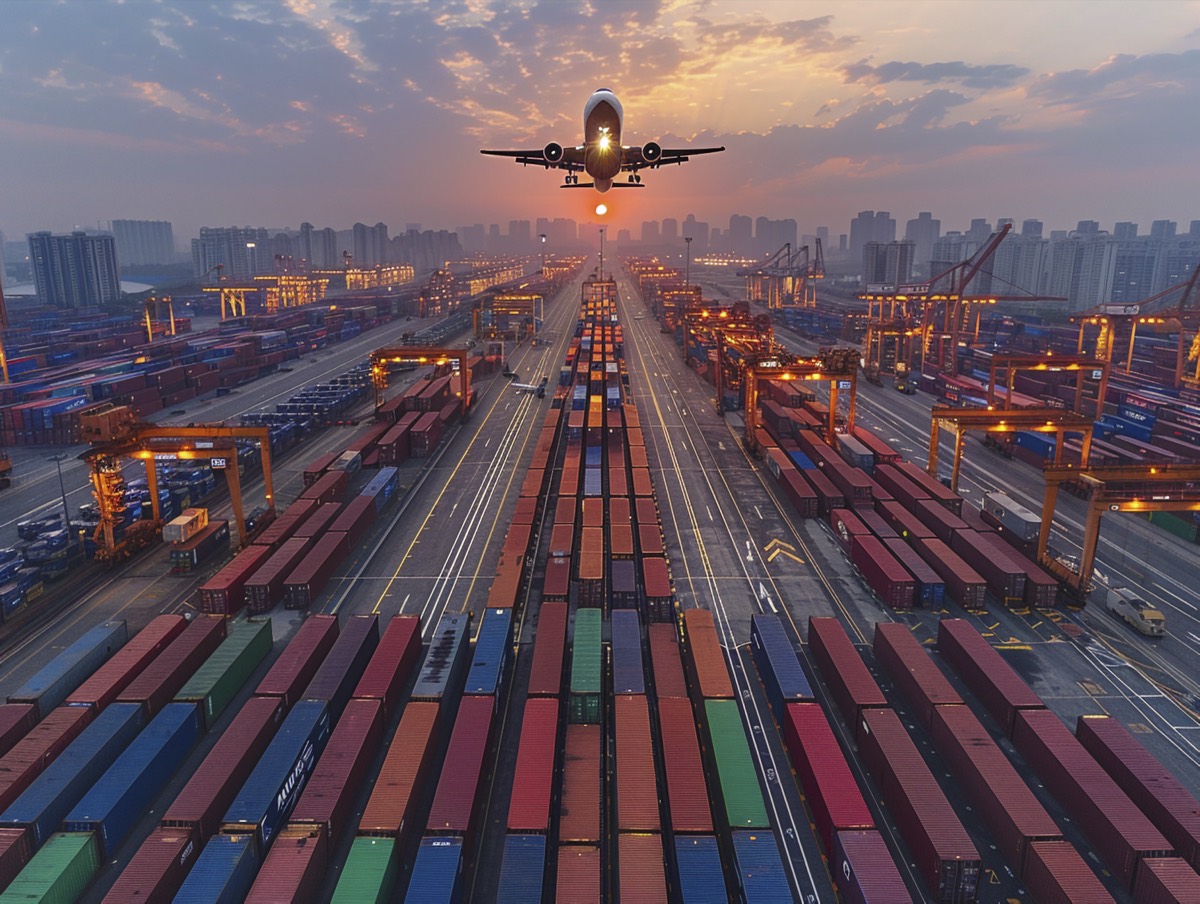
The default for imports and exports of any volume. The two gateways serving this region are Mombasa and Dar es Salaam. The freight rate is rarely where the cost surprise lives — that is usually demurrage and detention, which we come back to below.
Air freight
Fast and expensive, and worth it far less often than it is used. Genuine cases: urgent spares where downtime costs more than the airway bill, high-value and low-weight consignments, and time-critical pharmaceutical shipments. Paying air rates because a road booking was made late is a self-inflicted cost.
Where freight budgets actually leak
Demurrage and detention are charges for holding a container beyond the free period — demurrage at the port, detention once it has left. They accrue daily, they compound, and they are almost always the result of a planning failure rather than a rate negotiation failure. A modest daily charge on a handful of containers will comfortably exceed the saving you negotiated on the freight rate.
Empty running is the other big one. A truck returning empty has to earn its whole round trip on the outbound leg. Providers with dense regional route networks can sometimes fill the return; providers without cannot, and it shows in the rate.
Wrong vehicle class is the quiet one. Moving four tonnes on a 28-tonne rigid because that is what the provider had available is expensive for you and inefficient for them.
Reading a freight quote properly
A quote worth trusting tells you:
- The route it is priced against, not just origin and destination.
- The vehicle class assigned.
- What is included — customs entries, bonds, insurance, demurrage assumptions, loading and offloading.
- A transit estimate specific to that route, with the assumptions it depends on.
- What happens, and what it costs, if something changes.
A rate with none of that attached is a number. It will be revised.
Ten questions to ask before you sign
- Do you own the vehicles, or will this be subcontracted?
- Who files the customs entry — your team or a third party?
- What is your transit estimate for this specific route, and what does it assume?
- What is included in the rate, and what is billed separately?
- How is cargo insured, and can I see a certificate?
- Are your vehicles tracked, and what visibility do I get?
- What is your process when a shipment is delayed — who contacts me, and how quickly?
- Can you handle the return leg or related services, and does that change the rate?
- What is your experience on this corridor specifically?
- Who is my point of contact, and are they the same person after I sign?

Written by the Jastan Logistics operations team. We move freight across Kenya, Uganda, Tanzania, Rwanda, Zambia and Botswana on our own fleet of 120+ vehicles. Everything here comes from work we do every week.